Greensboro sits in the Piedmont, a conference point of red clay soils, rolling shade, and summertimes that check both plants and patience. Rain can fall generously one week and disappear for 3. The water costs nudges up every July and August. Keeping a landscape green without waste is not a puzzle you fix as soon as but a system you tune with regional conditions in mind. When you get it right, you invest less time dragging hoses, your lawn survives heat spells, and your garden silently flourishes on less.

The regional truth: climate, soil, and water pressure
Greensboro averages around 40 to 45 inches of rain a year, but distribution is lumpy. Long, warm spells in late summer frequently line up with regional watering limitations, or at least with the kind of heat that makes irrigating feel like pouring cash into the ground. Relative humidity can be high, however that does not assist plants with shallow roots embeded in compacted clay.
That clay matters. In many areas, the subsoil is heavy with a high portion of great particles. Water moves slowly through it. If you pour an inch of water on normal Piedmont clay, much runs sideways before it ever decreases. Plant roots chase air as much as water, and poor aeration damages both health and water performance. The service in Greensboro isn't just selecting drought-tolerant plants. It is building a soil and watering method that matches clay's habits and the city's rainfall patterns, then layering shade, mulch, and hardscape so the whole residential or commercial property cooperates.
Where water goes to waste
From audits I have actually done on property and small business sites in the Triad, the same offenders show up once again and once again. Fixed-spray heads overshoot pathways and driveways. Controllers run the same program that came out of the box, despite season. Slopes shed water faster than roots can catch it. Turf gets watered like it lives on a golf fairway, even when it is simply ornamental. Each of these expenses cash and, more significantly, weakens plants by providing shallow, inconsistent moisture.
A well-tuned system normally cuts outdoor water utilize 25 to 40 percent without compromising appearance. That savings originates from matching plant communities with appropriate irrigation, fixing distribution harmony, and modifying schedules to match Greensboro's summer evapotranspiration, which typically varies from 0.15 to 0.25 inches per day in hot spells.
Start with site reading
Before you plant or upgrade watering, walk your website at various times of day. Note wind passages that push spray patterns off course. Watch where afternoon sun hammers the yard. Dig a few holes 8 to 12 inches deep and inspect the soil profile. In lots of yards, you will discover a thin layer of topsoil over compressed subsoil. If your shovel bounces at 4 inches, roots will too. If water remains in a hole for more than 24 hours, you have drain restrictions that will affect plant options and watering rates.
A short infiltration test assists set run times. Fill a 6-inch-deep hole with water twice, letting it drain pipes completely in between fills. On the third fill, determine for how long it requires to drop an inch. If it takes 30 to 45 minutes to lose that inch, you need short, repeat watering cycles, shortly soaks, or water will sheet off the surface.
Soil first: the quiet multiplier
Soil improvements return dividends every year. Greensboro's red clay holds nutrients well but compacts quickly. 2 to 3 inches of compost tilled into the leading 6 to 8 inches of brand-new planting beds can raise organic matter from a limited 1 to 2 percent up towards 4 to 5 percent. That shift enhances structure, increases water-holding capacity, and, paradoxically, speeds seepage due to the fact that raw material opens pore area. In existing beds, surface topdressing with garden compost, then mulching, works over time as earthworms and microbes draw it down.
Mulch is not decoration. It is a wetness regulator, a weed deterrent, and a soil thermostat. In Greensboro, wood mulch or shredded pine bark at a depth of 2 to 3 inches works well. Avoid volcano mulching trees. Keep mulch a couple of inches off trunks to prevent rot and voles. In sunny beds, a thin layer of pine straw above bark assists resist summer season crusting. If you choose stone, use it sparingly and only with plants that can deal with heat sinks, otherwise you will develop hot, dry islands that require more water.
Turf with intention
Turfgrass is frequently the thirstiest component in Greensboro landscapes, specifically cool-season fescue. Fescue looks fantastic in April and once again in October, then resents July. Warm-season zoysia or bermuda sip less water in summer and endure heat much better, but they go inactive and tan in winter when the yard is still active for numerous households. There is no one right option. The best option is aligning grass type and area with how you use the space.
If you desire green year-round, a fescue yard can deal with careful management. The technique is density. Lots of backyards grow excessive turf where it isn't utilized, such as high slopes or narrow side backyards that never ever host a tramp. Minimize grass to purposeful pads, then surround them with beds and groundcovers that carry out on less water. Overseed fescue annually in fall, aerate, and topdress with compost. Strong roots by Might indicate less watering in August.
For warm-season lawns, aim for enhanced cultivars that endure shade better than old bermuda pressures. Zoysia's thick routine minimizes weeds and holds wetness within the canopy, which assists on south-facing exposures. Both warm-season options require less water midsummer than fescue, but they need aggressive spring weed control and accept an inactive winter appearance.
Edge cases show up. A little north-facing yard hemmed by trees does badly with any grass. Consider a moss garden, shaded stepping pads in gravel, or a mix of perennials like pachysandra, hellebores, and ferns that drink water under canopy. If your front yard is on a noteworthy slope, switch the steepest third to deep-rooted shrubs and drifts of native yards. You will stop runoff and stop combating a losing watering battle.
Plant choices that make their keep
The Piedmont supports an impressive list of water-wise plants that still feel lavish. I tend to group them by functionality instead of native status alone. Native plants are a strong foundation, but not the only tool. In Greensboro's heat, you desire plants that progress to endure regular drought and manage our winter season lows.
For structure, utilize small native trees and larger shrubs that cast helpful shade and shingle water downward through layers. American fringe tree, redbud, and serviceberry suit modest front lawns. For shrubs, oakleaf hydrangea endures drier soils than bigleaf hydrangea and offers four-season interest. Itea, dwarf yaupon holly, and inkberry fill evergreen functions without demanding continuous moisture when established.
Perennials and yards add motion and strength. Switchgrass, little bluestem, and muhly yard root deeply and ride out heat. Perovskia, coneflower, rudbeckia, and salvias feed pollinators and shrug off dry weeks if the soil is prepared. In partial shade, hellebores, epimedium, and Christmas fern answer the water-wise call without looking austere.
Not everything labeled drought-tolerant will act in clay. Lavender, for instance, will sulk unless raised in mounded, gravelly soils. If you enjoy Mediterranean herbs, construct a raised bed with sandy modified soil and keep it segregated from heavier beds. Right plant, best soil still rules.
Microclimates: your silent allies
Greensboro areas are patchworks of sun, shade, reflected heat, and wind. Brick walls keep heat and extend the growing season by a week on either side. Asphalt driveways bake roots. Tall trees obstruct summer rainstorms, which indicates the ground listed below can be bone dry even after a storm. Map these zones. Put your most difficult, low-water entertainers along the driveway and south-facing walls. Plant moisture lovers in the dripline edges where periodic stormwater concentrates. Near downspouts, create rain gardens with shallow basins that hold an inch or more of water for a day, then drain. This catches roofing system overflow, which can represent thousands of gallons a year on a normal home.
Irrigation that believes, then drinks
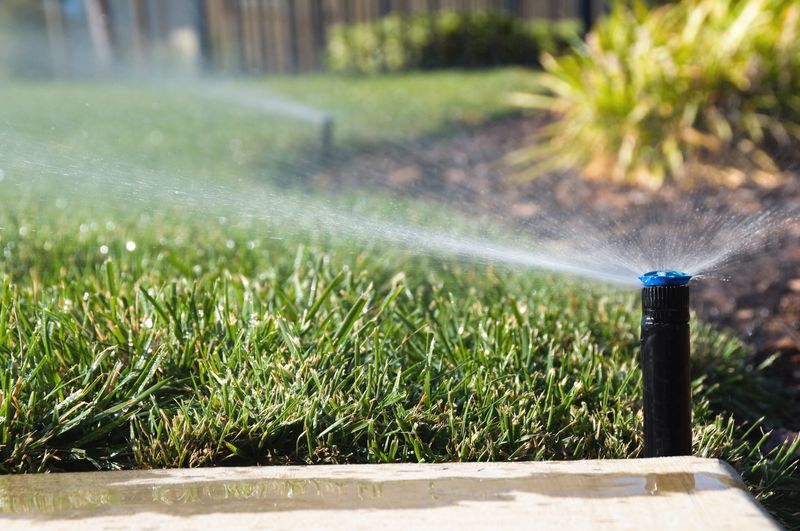
If you currently have an in-ground system, an audit is the very best beginning point. Check head-to-head protection and change mismatched nozzles. In Greensboro's breezy afternoons, high-efficiency rotary nozzles typically exceed repaired sprays, using water more slowly and evenly, which lets it soak rather than skate. On beds, drip irrigation is king. It provides water to the root zone and loses really little to evapotranspiration. In clay, spaced emitters at 12 to 18 inches on center normally work well, however verify with a test dig after a run cycle to see if wetness is reaching where you expect.
Smart controllers help, however only if you inform them the reality. Input soil type as clay loam, not loam. Set slope and sun direct exposure for each zone. Utilize a local weather condition source, not a default station miles away at the airport if your home is wooded and cooler. Pair the controller with a trustworthy rain sensor. Greensboro has pop-up storms that drop half an inch in an hour. There is no reason to water the next morning if your beds are currently charged.

Cycle and soak is a simple strategy that fits our soils. Rather of running a spray zone for 20 minutes straight, run it for 8, pause for 30 to 40 minutes, then run it for another 8. This reduces runoff and enhances seepage. When you try it on slopes or compacted locations, you rarely go back.
If you are creating from scratch, consider breaking up big zones into micro-zones. Grass wants different scheduling than shrub beds, and sun exposures vary. Small valves and more zones cost a bit more upfront however let you fine-tune water to plant requirements. On little residential or commercial properties, a hose-end timer with 2 outlets and a drip set can transform a bed for under a couple hundred dollars, conserving time and water without trenching.
Establishment: the most water you will ever use
Even drought-tolerant plants need steady wetness while developing. In Greensboro, the best planting window for trees and shrubs is fail early winter, when soil is still warm enough for root development without the demand of summer foliage. Water deeply at planting, then again 2 to 3 times per week for the very first month, tapering slowly. By the second growing season, you need to be able to cut watering to occasional deep soaks during droughts. If you plant in late spring, anticipate to water more through that first summer.
New sod or seeded lawns are another case where discipline pays. Water simply enough to keep the leading half inch moist, multiple short cycles daily for the very first couple of weeks, then stretch periods to encourage roots to chase after water downward. After four to 6 weeks, shift to much deeper, less frequent watering. Keep your mower sharp and trim higher for fescue, around 3.5 to 4 inches, to shade the soil and lower evaporative losses.
Design choices that save water without appearing like a desert
The trick in water-wise style is to make it look intentional and inviting. Deep borders with layered heights record attention that may have gone to grass. Curved bedlines can be gorgeous, but on slopes, present low stone or brick edging that discreetly catches mulch during storms and slows overflow. Permeable courses, like compressed fines with supported joints, allow water to permeate where it falls, unlike put concrete that speeds it away.
Group plants by water requirement, often called hydrozoning. Put high-need plants by an entry where you will see and water them if needed. In bigger yards, one small high-input zone near the house can remain lavish while the rest leans low-input. This structure keeps upkeep reasonable and prevents the most noticeable locations from decreasing throughout a dry streak.
If you delight in containers, cluster them. Pots consume more than in-ground plants since they shed heat and dry faster. Grouping lowers evaporation and streamlines hand-watering. Self-watering containers with covert reservoirs spare you from everyday summertime watering and keep plants more even.
Rain capture and reuse
Rain barrels are common in Greensboro, especially the easy 50 to 80-gallon versions. They empty quickly during a hot week, but they shine as an extra source for beds near your downspouts. If you connect two or three in series, you extend energy. Ensure overflow directs to a safe drain path or a rain garden depression to avoid foundation issues. For more ambitious setups, slimline cisterns tucked against a wall can save a few hundred gallons. With a little pump and a pipe, you can hand-water beds through a dry spell.
Even without storage, shaping the site to hold water assists. A number of shallow swales that slow and spread water across a bed can lower the requirement for irrigation by making better usage of stormwater you currently get. The objective is to keep rain where it falls enough time to take in, not to turn your lawn into a pond. Correct grading, 2 percent far from structures, still comes first near the house.
Maintenance practices that pay off
Weekly routines matter as much as big style options. Mulch breaks down and thins, especially after thunderstorms, so spot renew to maintain that 2 to 3-inch depth. Inspect drip lines for chew marks from pets or critters and replace emitters that block. Look for leakages where polyethylene lines link to rigid risers. If your water expense leaps, a concealed leak in the landscape is frequently the reason.
Weeds take water. A tight, healthy plant canopy reduces them, but in open ground, a pre-emergent in early spring for beds that can tolerate it, or a thick layer of mulch, blocks many yearly weeds from ever sprouting. Hand pull after rain, when roots release cleanly, to protect soil structure.
Adjust watering schedules seasonally. Greensboro's water need can visit half in spring compared to peak summer season. Many controllers have seasonal adjust settings. Utilize them. Better yet, walk the beds. If your soil two inches down is cool and damp, your schedule can be lighter. If it is dirty and warm, lengthen cycles or tighten up intervals for a while.
A small case example
A homeowner near Sunset Hills had a front backyard of mostly fescue that burned out every July. The soil was compressed, and overspray watered the pathway more than the shrubs. We cut the yard area in half, producing curved beds on either side of a usable grass oval. We brought in three inches of compost, changed the beds, and set up drip. The plant scheme leaned on oakleaf hydrangea, dwarf itea, switchgrass, and a drift of coneflowers, with spring bulbs for early color. We switched spray heads along the pathway for matched-precipitation rotors and reprogrammed the controller with cycle-and-soak.
The very first summer after, the water expense for outdoor use fell by roughly a third. The fescue still requested for irrigation during heat spikes, but the beds drifted on drip twice a week for 20 to thirty minutes. By year two, with roots developed, watering dropped further. The client stopped chasing after brown patches and started bragging about goldfinches on the coneflowers.
Working with pros in landscaping Greensboro NC
Local experience matters. Professionals who concentrate on landscaping Greensboro NC discover rapidly which cultivars manage our clay and which watering elements stand up to difficult water and summer season heat. A good pro will push back on overwatering, suggest smart controllers that match your zones, and propose grass reductions where it makes good sense rather than offering more sprinkler heads. If your budget enables, request a soil test before they begin, and a water-use estimate after the style. The test keeps plant health grounded in reality. The estimate puts responsibility on the group to deliver a landscape that doesn't drink like a sponge.
If you prefer DIY, think about a consultation to set direction, then do the setup yourself in phases. Start closest to your home where you notice outcomes daily. Tackle a slope in fall when roots will settle in with less difficulty. Conserve the irrigation upgrades for early spring when you can check and tweak before heat arrives.
Cost, cost savings, and sensible timelines
Budgeting for water-wise modifications can be straightforward if you believe in layers. Soil and mulch are the lowest-cost, highest-yield steps. A normal front backyard bed refresh with compost and mulch may run a couple of hundred dollars in materials for a modest space. Leak retrofits add a couple of more hundred, depending on zone size and whether you currently have a controller.
Smart controllers vary extensively, from economical hose-end timers to mid-tier systems that incorporate weather condition data and flow tracking. For numerous Greensboro house owners, the sweet area is a weather-based controller with zone-specific settings, paired with a rain sensing unit and, if possible, a simple circulation sensor. The controller often spends for itself within a couple of summertimes if you were formerly overwatering.
Savings accumulate. Cutting outdoor water usage by a quarter or more is common after turf reduction, bed conversion, and irrigation tuning. Equally crucial, plants get healthier, which reduces replacement expenses. Plan on one complete season to see the system settle in. Year one https://zenwriting.net/narapsgedk/sustainable-landscaping-practices-for-greensboro-nc-yards is about rooting and changing. Year two reveals the true water profile of the landscape, with fewer vulnerable points and less hand-watering.
Common pitfalls, and how to avoid them
People typically skip soil preparation to save time. The penalty shows up the first hot week of July. Spend the effort up front. Another mistake is mixing high and low water plants in the same bed. You wind up watering for the neediest, and everything else lives damp. Keep groupings honest.
With watering, the most costly thing you can do is run a bad schedule well. An ideal controller with poor head placement just loses water more exactly. Audit hardware first, then upgrade brains. For beds on drip, bury lines shallowly and map them. Future you will thank you when you include plants and require to incorporate without guesswork.
Finally, not everything requires watering. Tough shrubs put in excellent soil with mulch frequently develop wonderfully with seasonal rain and occasional hand watering throughout the very first summertime. Reserve the system for grass, vegetables, and the ornamental beds where efficiency matters most.
Bringing it together
Water-wise landscaping is not about deprivation. In Greensboro, it has to do with setting up soil, plants, and water so the garden carries itself through heat with grace. The strategy checks out something like this: enhance the soil, reduce turf to where it earns its keep, pick plants that like our seasons, direct rain where it helps, and irrigate with intention. Layer in mulch, wise scheduling, and seasonal adjustments. Then let time do the quiet work. Roots deepen, shade expands, and your tube hangs on the wall more often.
If you manage industrial grounds or an HOA, the exact same principles scale. Big yards can move to warm-season grass or be broken up with native grass meadows that need just a couple of mows a year. Entry beds can operate on drip with vibrant, drought-tolerant perennials that look excellent from a cars and truck window and hold up to heat. Water bills drop, curb appeal increases, and upkeep crews spend less time battling with sprinklers.
For homeowners, the reward reveals on a Saturday early morning in August when you are drinking coffee on the porch, not battling a pipe throughout a crispy lawn. The beds look alive, the mulch is intact, and the wise controller is taking the projection into account. That is the peaceful success of water-wise landscaping, and it fits Greensboro's climate, soils, and style.
A simple seasonal checklist
- Early spring: Soil test beds you plan to renovate, topdress with compost, revitalize mulch, check and flush irrigation lines, set controller to conservative spring runtimes. Late spring: Transition grass watering to much deeper, less frequent cycles, check for locations, adjust sprinkler heads for protection, plant warm-season perennials. Mid-summer: Use cycle-and-soak on clay, display beds by hand before increasing schedules, shade containers and group them, fix leaks promptly. Early fall: Overseed fescue or examine grass reductions, plant trees and shrubs while soils are warm, reprogram controller for much shorter days and cooler nights. Winter: Prune attentively to keep shade and airflow, service controllers and valves, plan rain capture or bed expansions for next year.
When you're ready
Whether you work with a group or take the shovel yourself, prioritize the moves that have compounding results. In Greensboro, that is soil, mulch, hydrozoning, and efficient irrigation. The rest is craftsmanship and care. Done well, landscaping becomes a long-term relationship with your site rather than a seasonal scramble. Water becomes a tool, not a crutch. And green stays green, even when July forgets to rain.
Business Name: Ramirez Landscaping & Lighting LLC
Address: Greensboro, NC
Phone: (336) 900-2727
Website: https://www.ramirezlandl.com/
Email: [email protected]
Hours:
Sunday: Closed
Monday: 8:00 AM–5:00 PM
Tuesday: 8:00 AM–5:00 PM
Wednesday: 8:00 AM–5:00 PM
Thursday: 8:00 AM–5:00 PM
Friday: 8:00 AM–5:00 PM
Saturday: 8:00 AM–5:00 PM
Google Maps: https://www.google.com/maps/search/?api=1&query=Google&query_place_id=ChIJ1weFau0bU4gRWAp8MF_OMCQ
Map Embed (iframe):
Social Profiles:
Facebook
Instagram
Major Listings:
Localo Profile
BBB
Angi
HomeAdvisor
BuildZoom
Ramirez Landscaping & Lighting is a Greensboro, North Carolina landscaping company providing design, installation, and ongoing property care for homes and businesses across the Triad.
Ramirez Landscaping & Lighting offers hardscapes like patios, walkways, retaining walls, and outdoor kitchens to create usable outdoor living space in Greensboro NC and nearby communities.
Ramirez Landscaping & Lighting provides irrigation services including sprinkler installation, repairs, and maintenance to support healthier landscapes and improved water efficiency.
Ramirez Landscaping & Lighting specializes in landscape lighting installation and design to improve curb appeal, safety, and nighttime visibility around your property.
Ramirez Landscaping & Lighting serves Greensboro, Oak Ridge, High Point, Brown Summit, Winston Salem, Stokesdale, Summerfield, Jamestown, and Burlington for landscaping projects of many sizes.
Ramirez Landscaping & Lighting can be reached at (336) 900-2727 for estimates and scheduling, and additional details are available via Google Maps.
Ramirez Landscaping & Lighting supports clients with seasonal services like yard cleanups, mulch, sod installation, lawn care, drainage solutions, and artificial turf to keep landscapes looking their best year-round.
Ramirez Landscaping & Lighting is based at 2700 Wildwood Dr, Greensboro, NC 27407-3648 and can be contacted at [email protected] for quotes and questions.
Popular Questions About Ramirez Landscaping & Lighting
What services does Ramirez Landscaping & Lighting provide in Greensboro?
Ramirez Landscaping & Lighting provides landscaping design, installation, and maintenance, plus hardscapes, irrigation services, and landscape lighting for residential and commercial properties in the Greensboro area.
Do you offer free estimates for landscaping projects?
Ramirez Landscaping & Lighting notes that free, no-obligation estimates are available, typically starting with an on-site visit to understand goals, measurements, and scope.
Which Triad areas do you serve besides Greensboro?
Ramirez Landscaping & Lighting serves Greensboro and surrounding Triad communities such as Oak Ridge, High Point, Brown Summit, Winston Salem, Stokesdale, Summerfield, Jamestown, and Burlington.
Can you help with drainage and grading problems in local clay soil?
Yes. Ramirez Landscaping & Lighting highlights solutions that may address common Greensboro-area issues like drainage, compacted soil, and erosion, often pairing grading with landscape and hardscape planning.
Do you install patios, walkways, retaining walls, and other hardscapes?
Ramirez Landscaping & Lighting offers hardscape services that commonly include patios, walkways, retaining walls, steps, and other outdoor living features based on the property’s layout and goals.
Do you handle irrigation installation and repairs?
Ramirez Landscaping & Lighting offers irrigation services that may include sprinkler or drip systems, repairs, and maintenance to help keep landscapes healthier and reduce waste.
What are your business hours?
Ramirez Landscaping & Lighting lists hours as Monday through Saturday from 8:00 AM to 5:00 PM, and closed on Sunday. For holiday or weather-related changes, it’s best to call first.
How do I contact Ramirez Landscaping & Lighting for a quote?
Call (336) 900-2727 or email [email protected]. Website: https://www.ramirezlandl.com/.
Social: Facebook and Instagram.
Ramirez Landscaping & Lighting is honored to serve the Greensboro, NC area with quality landscape design solutions for residential and commercial properties.
Searching for landscape services in Greensboro, NC, visit Ramirez Landscaping & Lighting near Tanger Family Bicentennial Garden.